




Sign up today to get the best of our expert insight in your inbox.
Putting the 'renew’ into renewables
The case for repowering wind and solar projects
4 minute read

Simon Flowers
Chairman, Chief Analyst

Simon Flowers
Chairman, Chief Analyst
Simon is our Chief Analyst; he provides thought leadership on the trends and innovations shaping the energy industry.
Latest articles by Simon
-
The Edge
Putting the 'renew’ into renewables
-
The Edge
Speed to power: solutions to US data centres’ challenges
-
The Edge
What’s on upstream leaders’ minds?
-
The Edge
Are we at an inflection point for a new wave of EV growth?
-
The Edge
Unleashing the Caspian’s potential in oil, gas and critical minerals
-
The Edge
EU methane regulation risks worsening the energy crisis

Gavin Thompson
Senior Vice President, Research

Gavin Thompson
Senior Vice President, Research
Gavin oversees our Europe, Middle East and Africa research.
Latest articles by Gavin
-
The Edge
Putting the 'renew’ into renewables
-
The Edge
Are we at an inflection point for a new wave of EV growth?
-
The Edge
‘Here be giants’ – unlocking Africa’s deepwater exploration puzzle
-
The Edge
War is reshaping LNG beyond winter
-
The Edge
UAE’s oil potential boosted by promising shale discovery
-
The Edge
Oil and gas markets’ perilous dilemma

Søren Lassen
Head of Wind

Søren Lassen
Head of Wind
Søren tracks, analyses and forecasts value chain dynamics, technological advancements and the market outlook.
Latest articles by Søren
-
The Edge
Putting the 'renew’ into renewables
-
Opinion
On-demand webinar | UK offshore wind: has Allocation Round 7 delivered a win for the wider energy sector?
-
Featured
Wind 2026 outlook
-
Opinion
Wind supply chain financials decoded: colliding margins and rising prices
-
Opinion
The Danish government charts course through offshore wind headwinds
-
Featured
Wind: predictions for 2025

Charles Coppins
Research Analyst, Global Wind O&M

Charles Coppins
Research Analyst, Global Wind O&M
Charles covers global wind O&M and turbine lifecycles.
Latest articles by Charles
-
The Edge
Putting the 'renew’ into renewables
-
Opinion
European Power & Renewables: what to look for in 2026
-
Opinion
The big question for onshore wind: what to do with ageing turbines?
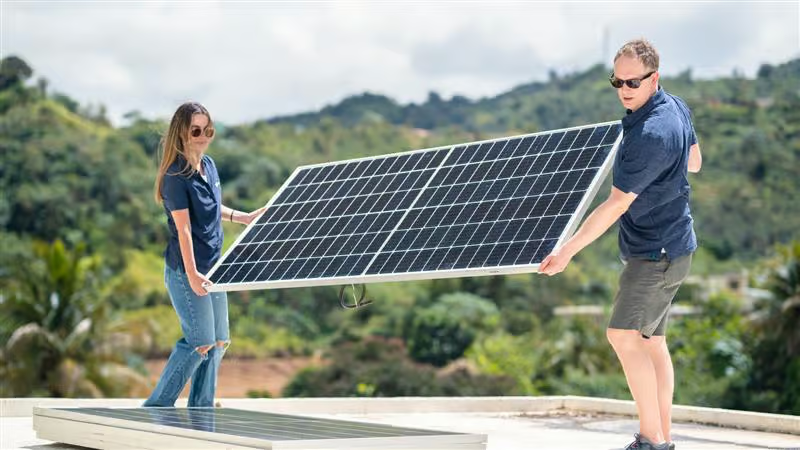
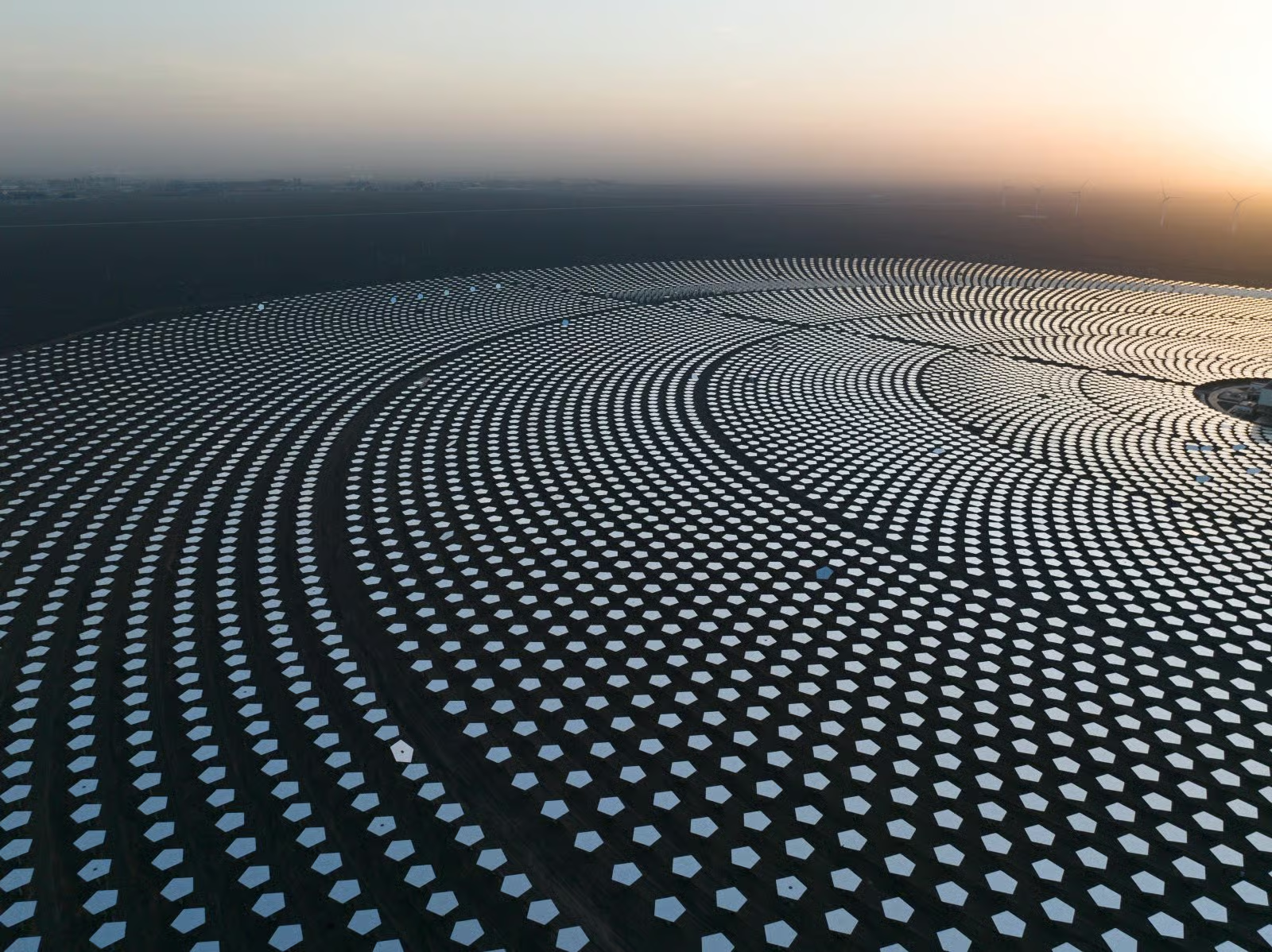
Wind and solar are infinite sources of renewable energy. But the equipment that generates power from these resources – the turbines and panels – physically degrades over time and must eventually either be removed or replaced. After a quarter of a century of deployment, renewable project developers are now facing the choice of decommissioning, extending asset life or repowering sites with the latest technology.
What is the scale of decommissioning? Does repowering make economic sense? Who stands to gain most? Soren Lassen and Charles Coppins from our Power and Renewables team explain how the next generation of renewables could deliver more power at lower cost.
How big is the decommissioning challenge?
Large, and growing fast. Of the more than 3.5 TW of wind and solar capacity operational worldwide by the of 2025, Wood Mackenzie forecasts that over 70% will face a decommission, extend or repower decision in the 2040s.
Ageing wind projects are the most pressing. Our latest Horizons report shows that almost 50 GW of wind is now over 20 years old, broadly the design life of these earlier turbines. The number quickly rises to over 230 GW by 2040. And while the rapid deployment of solar PV may have started later, global solar capacity more than 20 years old will overtake wind before 2040.
Does repowering make economic sense?
There’s a compelling case. With capital and operating costs on a par with greenfield projects, the economic advantage of repowering comes mainly from higher output as technology advances. Given the site will always outlast the equipment, repowered projects can also skip grid-connection queues and often clear permitting faster. Location matters. In Germany, for example, decommissioned sites have average wind speeds 4% higher than new greenfield projects, delivering higher capacity factors and a lower levelised cost of energy.
And it isn’t only about economics. Without repowering, growth in global annual wind and solar installations risks stalling. If greenfield renewables additions can’t keep pace as policy support softens, more coal and gas will be required to fill the gap.
Is technology changing the equation?
Substantially. The average wind turbine rating has increased fourfold over the past two decades and continues to rise. Meanwhile, the efficiency of solar modules has risen by almost 70% over the same period and average solar sites now require around a third less land for the same capacity.
Hardware is also getting more robust. Wind turbine design life has climbed from 20 years to more than 30, while warranties for solar panels have increased by five years as degradation levels continue to improve.
What does this mean for power markets?
Simply decommissioning ageing wind and solar projects does nothing for meeting capacity targets. Take the European Commission's 500 GW wind goal for 2030. Reaching this requires about 37 GW of additions a year through to 2030. If all end-of-design-life projects are decommissioned, around 2 GW more would need to be added annually to achieve published goals.
Repowering can side-step this. Sticking with Germany, we estimate repowering existing projects would raise the country’s onshore wind output by 16% in 2050, which would represent almost a third of the country's current annual wind generation. This matters not only for installation targets but also for consumers as repowered supply could significantly lower power prices.
Who gains most from repowering?
Aside from customers enjoying lower electricity bills, equipment suppliers stand to benefit most. Repowering existing sites means global equipment sales could be more than 60% higher in 2050 than at present even as the pace of annual net additions declines.
The distribution of repowering opportunities is uneven, however. While decommissioning will drive 44% of wind and almost a quarter of solar buildout worldwide in the 2040s, the figures are notably higher in established markets across Europe, Asia and the Americas.
Repowering could usher in an era of renewal and lead to more wind and solar installations than ever before. The impact of this will take years to fully materialise but is already relevant to strategic decision making today. As governments and consumers grapple with volatile fossil fuel prices, planning for future energy renewal opportunities should already be on the agenda.


Make sure you get The Edge
Every week in The Edge, Simon Flowers curates’ unique insight into the hottest topics in the energy and natural resources world.
Sign up today using the form at the top of the page.